
May. 25, 2026

4:56 Min read

Payments

Share :


Paying school or college fees used to mean standing in long queues, carrying cash, and keeping paper receipts safe. Today, that entire process looks very different.
From school fees to entrance exams, most education payments have moved online. Whether it’s a monthly fee or a one-time online application fee payment, digital options have made it quicker and a lot more convenient for both parents and students.
Even though more people are paying fees online now, there’s still some confusion around how these systems actually work and how to use them properly. If you’re using a digital payment system for education-related expenses, here are a few important things you should know.
The move towards digital education payments didn’t happen overnight. It has slowly picked up pace over time, mainly because people started looking for more convenience and easier access to make payments.
Schools, colleges, and exam authorities now lean towards digital payments because they’re simpler to handle. Payments get recorded instantly, zero chances of errors, and less dependency on manual work.
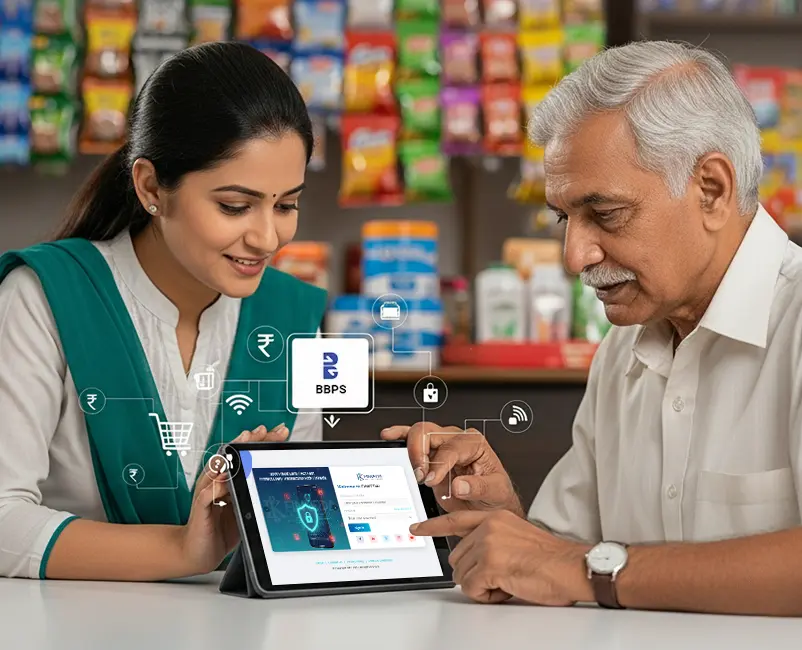
For users, the biggest benefit is convenience. You can pay fees online from anywhere, without worrying about office hours or making the trip in person. Finkeda is helping make this shift smoother, especially for people who are still getting used to digital systems.
The most common assumption is that online fee payment only covers the main term fees. In reality, the range is much broader than that.
School admission fees, transportation charges, uniform costs, exam registration fees, and online application fee payment for college admissions all fall under digital education payments today. That means multiple trips and separate cash arrangements for different fee heads are no longer necessary, everything can be handled from the same place.
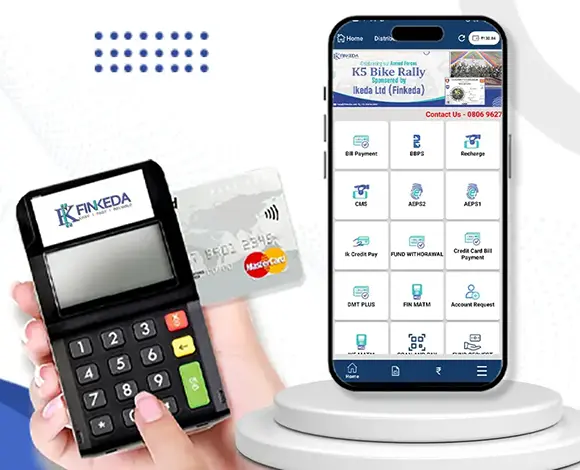
On our platform, parents can manage all these education payment categories in one go. Whether it’s a quarterly tuition fee or a one-time admission deposit, the process stays simple – just select education fees payment, add or choose the beneficiary, enter the amount, and complete the payment. Whether it’s tuition fees, admission fees, or other education-related payments, everything can be managed smoothly in just a few steps.
This is the one that surprises most people. The common assumption is that digital transactions carry more risk. The reality is usually the opposite.
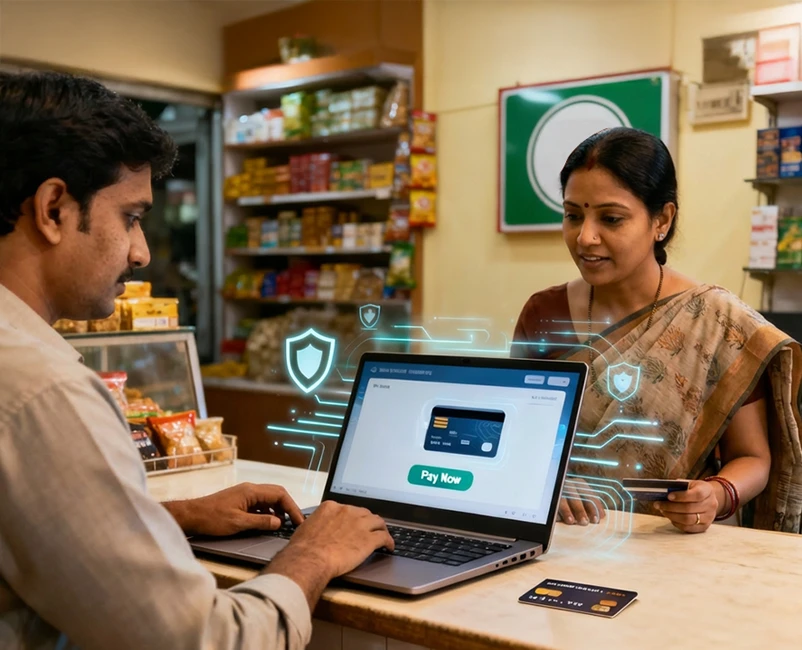
Carrying cash for a significant fee payment – a term’s tuition, an admission deposit, means that money is exposed from the moment it leaves your hands to the moment it reaches the cashier’s desk. A digital payment system removes that exposure entirely. Your money stays in your bank account until the exact moment you authorise the transfer.
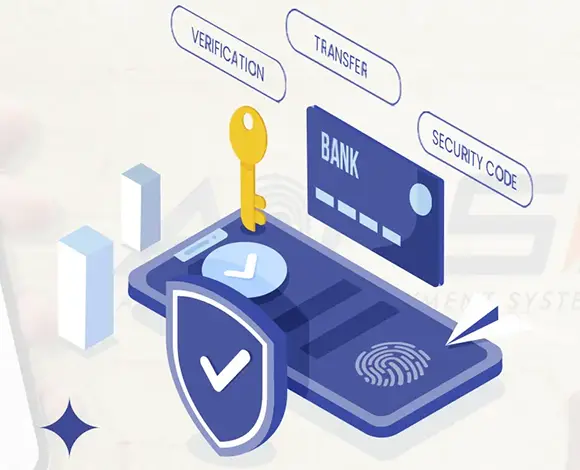
Every education payment made through our platform is processed through an RBI-compliant digital payment system, with encryption and multi-factor authentication at every step. If a transaction fails but an amount is deducted, it is refunded within 3 to 5 working days. Your transaction ID gives you a clear reference to follow up with. There is no equivalent trail with cash.
Anyone who’s ever tried paying a fee at the last minute, like just before an exam registration closes or a college form deadline, knows that slight panic when you’re not sure if the payment went through.
With digital education payments, that uncertainty disappears. As soon as the transaction is successful, you get a confirmation on the app, usually an SMS too, and a receipt you can download instantly. For online application fee payment during admission season, this is important. You have proof in hand immediately, not after waiting for someone at the counter to check a register.
Every successful payment on the platform generates a proper receipt with details like date, amount, and reference number. You can save it or share it right away, without having to chase anyone later.
Digital fee payments aren’t really limited to net banking or just one bank’s app anymore. Most of these systems now let you use UPI, debit cards, credit cards, or wallets. And each option comes with its own small advantage, depending on what’s easiest or more convenient at that moment.
UPI is instant and works around the clock. Credit cards let you pay now and settle the balance later, which can help with managing cash flow around large fee due dates. You also do not have to be the account holder to make the payment, a parent in another city, a relative, or a guardian can pay on a student’s behalf, as long as they have the required details.
Finkeda supports all major payment modes for education payments. There is no restriction on which method you use, the choice depends entirely on what works best for you at the time.
Digital education payments aren’t just convenient for parents, it works both ways. When fees are paid online, schools and colleges get the payment much faster, and it’s automatically recorded in their system too. There is less cash to handle, fewer manual entries to worry about, and a cleaner record on their side as well.
That efficiency reduces disputes. If a fee is marked unpaid when it should not be, a digital transaction reference resolves it quickly. There is no question about whether a cheque cleared or whether a cash receipt was filed in the right place.
This is part of why more schools and colleges across India are actively moving to digital payment systems, and why we built our education payments feature to serve both sides of that transaction. When the institution’s records are in order, the experience for parents and students is simpler too.
Digital education payments have slowly become part of everyday life, replacing cash queues and manual receipts with quick, trackable transactions. What earlier required time, travel, and paperwork can now be handled in a few minutes through a digital payment system.
Whether it’s routine school fees or an online application fee payment, the ability to pay fees online has made the entire process more structured and far less stressful. More importantly, Digital education payments bring transparency and control to how payments are managed, making it easier for both parents and institutions to stay organised.
If you’re looking for a smoother way to manage your education-related payments, explore Finkeda and experience how easy digital payments can be quick, simple, and built for everyday needs.
FAQs
1. What are digital education payments and how do they work?
Digital education payments are online transactions used to pay school, college, or exam-related fees through a digital payment system. You simply select the fee type, enter details, and complete the payment instantly using UPI, cards, or net banking.
2. Which expenses can be covered under education payments online?
Education payments go beyond tuition fees and include admission fees, exam registration, transport charges, hostel fees, and online application fee payment for colleges or competitive exams.
3. Can I pay fees online using different payment methods?
Yes, most platforms support multiple options like UPI, debit cards, credit cards, and wallets, giving users flexibility based on convenience and payment preference.
Share :
Like:
0